ServiceNow/ITSM Integrations
DigitalXC integrates seamlessly with ServiceNow/ITSM, allowing users to access and request automation catalogs from the ITSM interface they already use. The front end stays ServiceNow/ITSM, while execution happens on DigitalXC—eliminating the need for separate tools or additional automation investments.
Related Demos
1:11
Create Incident Ticket in ServiceNow using IVA
Users can create new incident tickets instantly through natural language, without navigating IT portals or filling out complex forms.
1:03
Fetching Details of Latest Incidents
Users can quickly view the latest incidents through a single conversational prompt, providing instant visibility into active issues without switching tools.
1:08
Fetching Details of a Specific Incident
Incident details can be retrieved instantly by providing the ticket number, enabling faster triage and resolution.
1:06
Bulk Orders
Bulk Orders enables users to process large-volume catalog requests through a single file upload. Whether onboarding users, provisioning access, patching systems, or running maintenance tasks, the platform validates each entry and executes them in real time with full traceability.
2:24
Productization of Services
Productization enables enterprise admins to shape the user experience by defining configurations and guardrails. This ensures catalogs align with enterprise needs while keeping the user journey simple and focused.
1:40
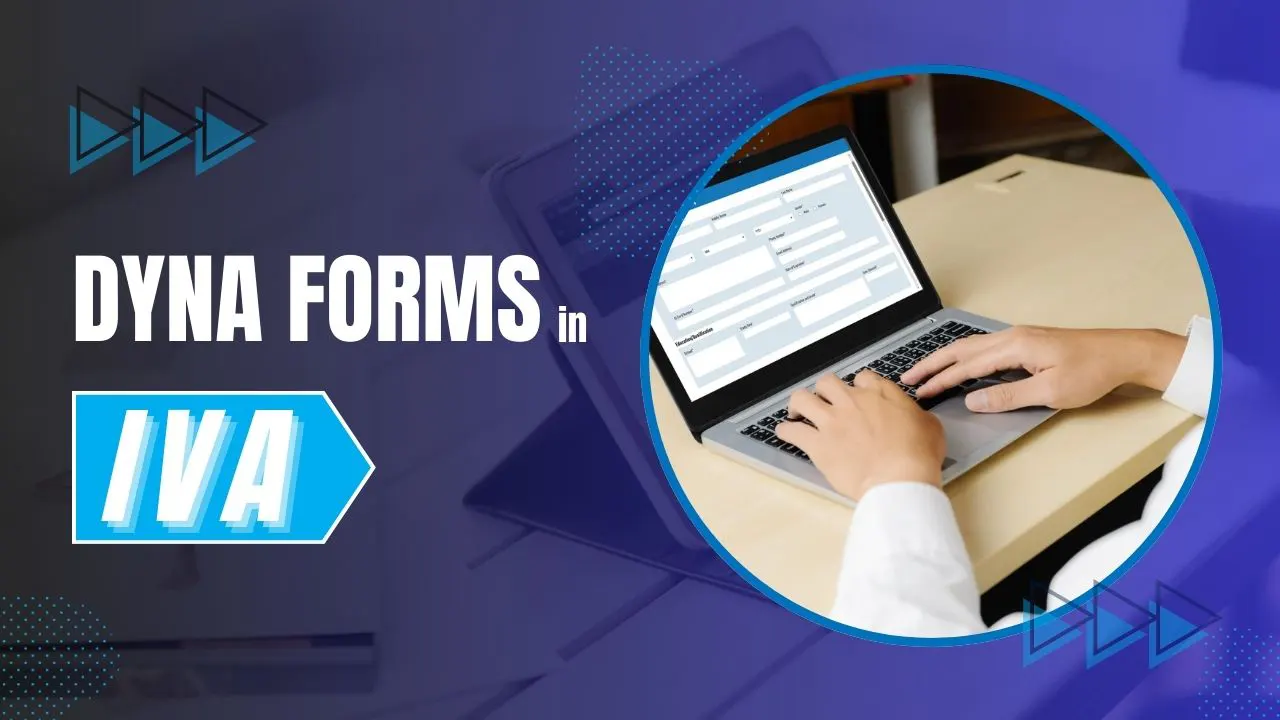
Dyna-forms – Self Service through IVA
Dyna-forms bring self-service catalogs directly into the chat experience, allowing users to submit requests and complete actions without navigating portals. The form appears instantly within IVA or Teams, making the process intuitive, seamless, and conversational.
1:27
Code Generation through IVA IDE
The IVA IDE enables users to generate automation scripts through natural language prompts, reducing the need for manual coding. Powered by Gen AI, it allows scripts to be created, tested, and refined within a single interface—accelerating development and making automation accessible to everyone.
1:21
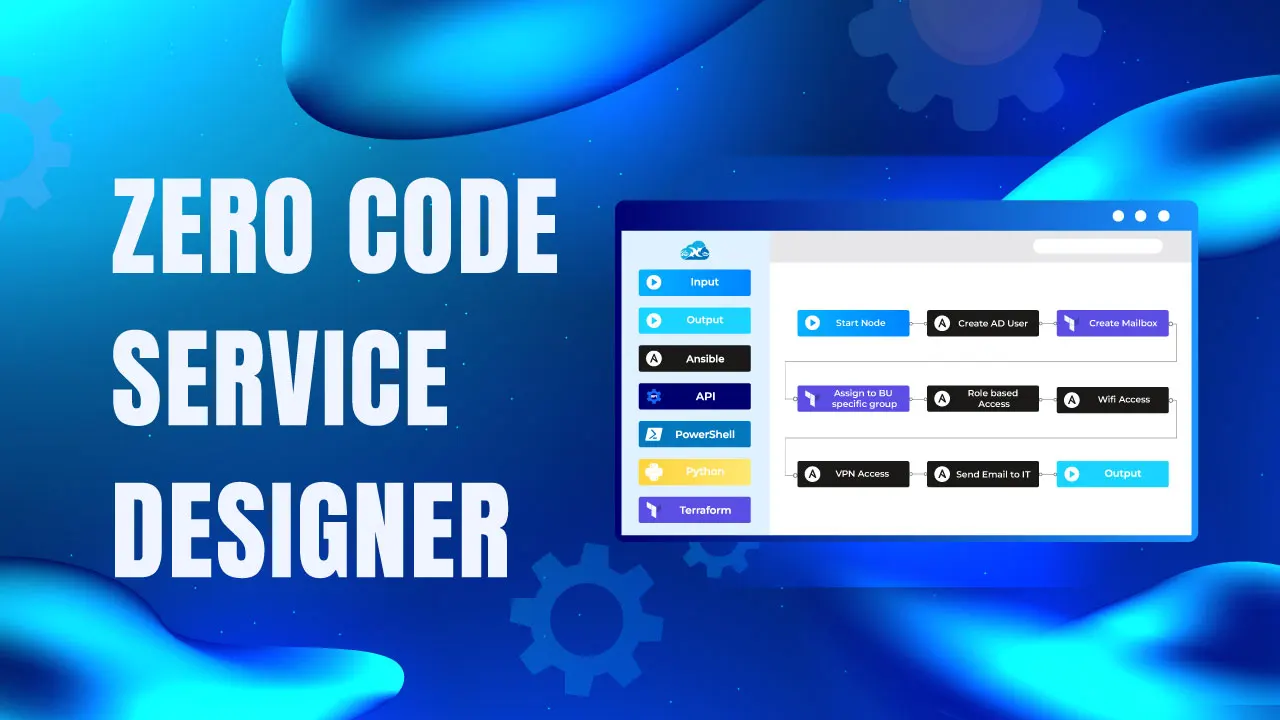
Service Designer – Lego Block Model
Service Designer is a zero-code, drag-and-drop interface that simplifies enterprise automation. By assembling standardized Lego-like components instead of building from scratch, teams can create complex workflows faster and make automation more reusable.
1:25
DigitalXC Appstore – Enterprise Service Marketplace
DigitalXC’s Service Cloud is a unified enterprise self-service marketplace featuring 650+ prebuilt automation services, built on configurable Lego-block components for faster, standardized automation at scale.
1:28
Fully Automated Catalogs for Users
The Digital Store is where enterprise service catalogs are managed and evolved. Once installed from the AppStore, services can be configured, extended, or newly created to meet organizational standards.
1:38
Order Scheduling through DigitalXC Scheduler
Schedule service orders to run at a defined date and time—whether it's employee offboarding, system patching, or planned maintenance, ensuring execution aligns with business hours and avoids operational disruption.
2:00
Omni Channel User Experience
Users can switch between interfaces without losing progress, ensuring an effortless service fulfillment. The experience demonstrates a truly fluid, channel-agnostic journey from start to finish, significantly enhancing user satisfaction
1:27
DigitalXC Mobile App
The DigitalXC Mobile App brings enterprise services to users fingertips, enabling effortless access, requests, and tracking from anywhere, at any time. Built for simplicity and speed, it ensures a seamless omnichannel experience that keeps services always within reach.
1:40
ITSM for Approvals
Define and manage approval workflows—single or multi-level—directly within the DigitalXC platform. When a request is submitted, it is automatically routed to the approver’s ITSM queue, ensuring every user request is reviewed and approved before execution.
2:50
Stepper UI for Complex Automations
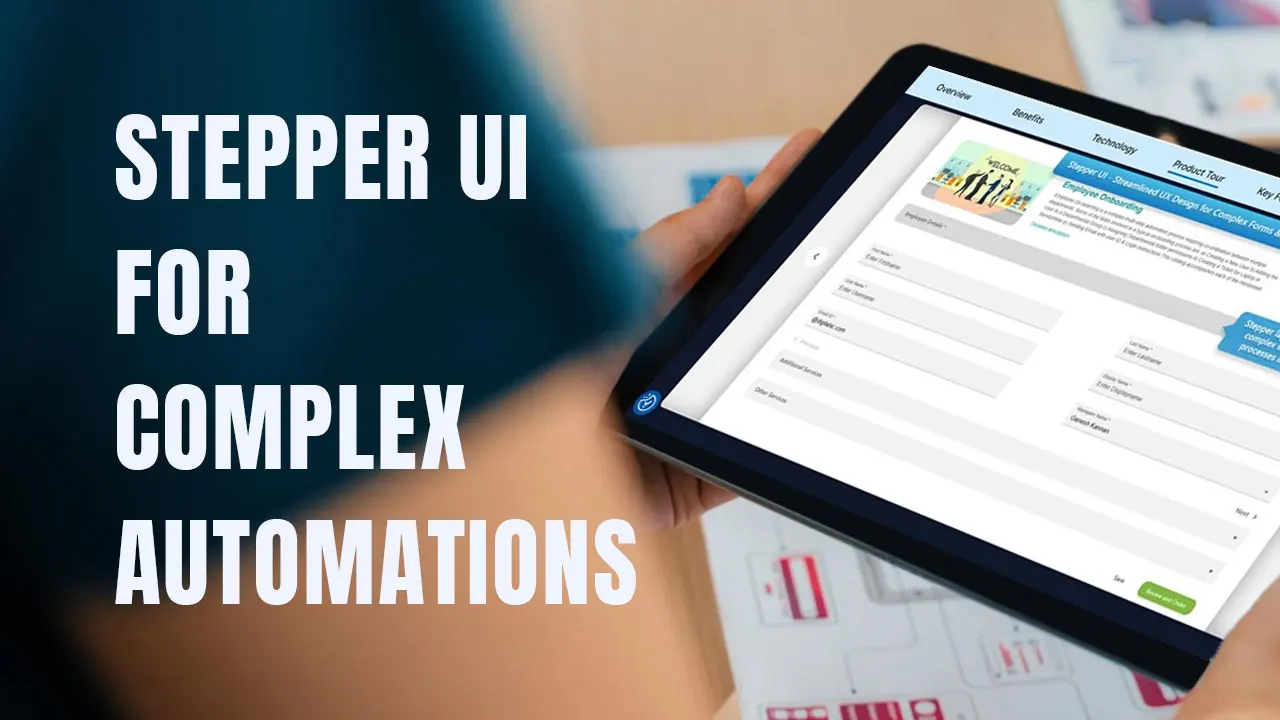
Stepper layouts simplify even the most complex workflows by breaking them into clear, guided steps. This structured approach turns intricate processes into intuitive experiences, improving both accuracy and efficiency.